Frugal Meals are the only way to keep your budget under control when food prices keep going up every week. You look at your bank account and then at your grocery list, wondering how to close the gap without eating cardboard.
Most people think saving money means eating boring food every single night. That is not true. You can feed yourself and your family well without draining your savings or spending five hours in the kitchen.
If you want to cut your food costs in half while still serving plates people actually finish, you need a better plan. These ideas change how you look at your pantry.
Frugal Dinner Meals Under $2
1. Bean tacos
You can find a can of refried beans for under $1 in most areas.
Pick up some store brand or sale-priced flour tortillas too, and make bean tacos or burritos.
For an even more budget-friendly option, cook a batch of dried beans in your slow cooker.
You can even make your own tortillas very inexpensively if you’re feeling ambitious!
If you have any Taco Bell sauce packets lying around, they make a great topping. If you’d like to use cheese, buy a whole block and shred it yourself to save money.
Quick tip: Check the dollar store for beans and tortillas for only $1.
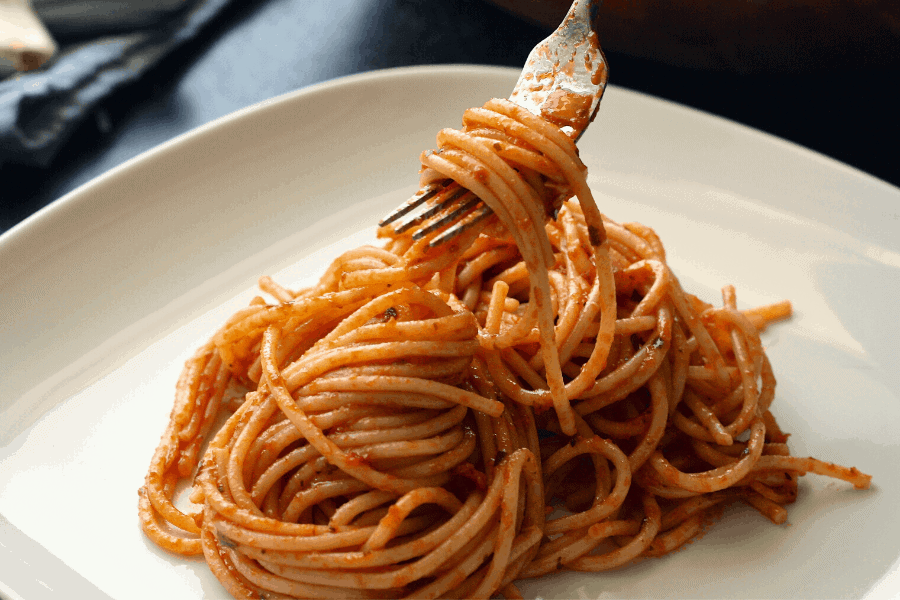
2. Spaghetti
A box of dry pasta and jar (or can) of sauce is a very frugal meal.
Buy the generic brand of pasta and sauce, or whatever is on sale for the lowest price.
If you want to add meat, ground turkey or sausage is usually less expensive than beef.
Make your own sauce out of canned tomatoes or tomato sauce if the premade sauce is too pricey.
3. Eggs and toast
A carton of eggs and loaf of bread are staples on any cheap grocery list.
They’re incredibly versatile, and can stretch for many meals.
Scrambled eggs and toast are very easy and quick to make. Or pick up an inexpensive egg cooker, and make small omelets, hard-boiled, or poached eggs with ease.
Breakfast for dinner is a comforting treat, so don’t think it’s only good in the morning!
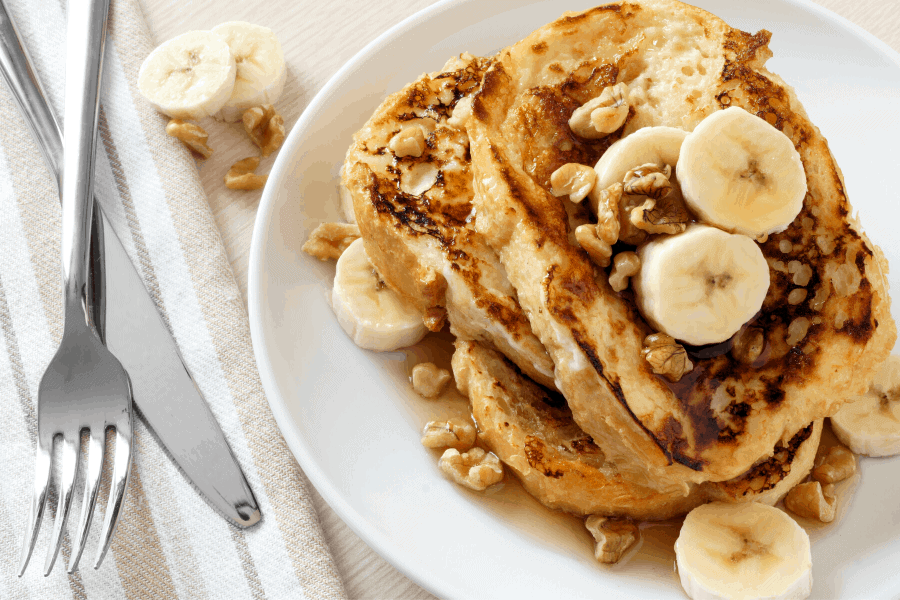
4. French toast
If you’re buying eggs and bread, make French toast for one meal this week too.
Beat an egg or two with a little milk. You can add in some cinnamon or nutmeg if you have it in your spice cupboard.
Dunk the bread slices into the mixture, soaking on both sides before lightly browning in a warm pan.
5. Black bean burgers
Use a can of black beans (or cook your own from dried beans), some breadcrumbs, and an egg to form black bean burgers.
You can bake them in the oven, or sear them in a skillet.
Bean burgers are actually REALLY delicious. They’re different from a hamburger of course, but think of them as more like Tex-Mex food.
6. Grilled cheese & soup
Cheese isn’t the most frugal ingredient, but you can almost always find at least one brand on sale. Or just buy the store brand.
American cheese is especially inexpensive, or slice cheese from a block, if you prefer to use cheddar.
Condensed soup, like tomato or chicken noodle, is a tasty addition to your grilled cheese. (Or use Ramen in a pinch!)
And if you don’t have butter, you can actually use mayo or oil in its place when making your sandwich.
7. Quesadillas
Quesadillas are extremely versatile, and much easier to make than they sound.
You can put any combination of vegetables, beans, cheese, meat, or leftovers between 2 tortillas.
Lightly brown them on both sides on the stove, or make a batch in the oven if you’re cooking for a family.
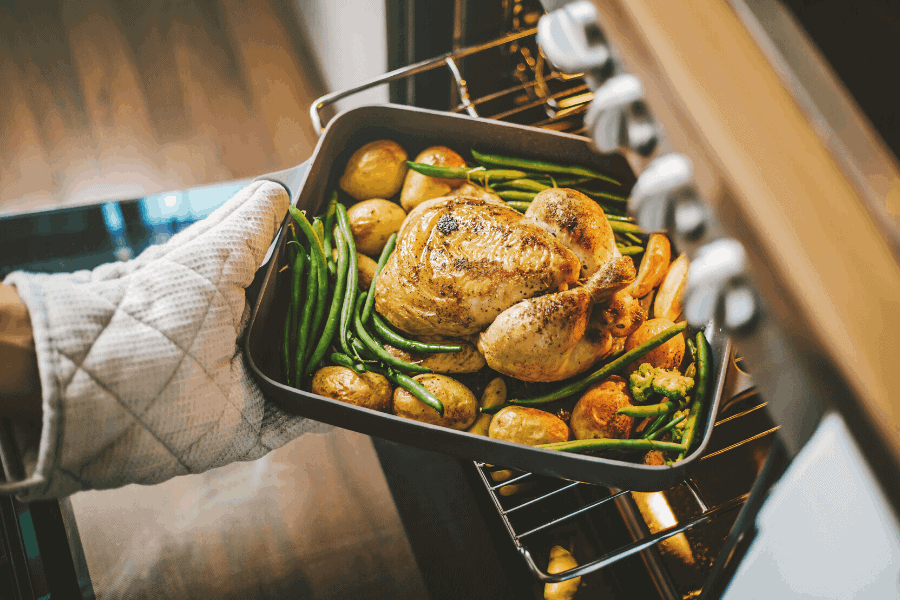
8. Chicken thighs and potatoes
Chicken thighs are one of the cheapest cuts of meat available. They also have a ton of flavor.
Bake them in the oven, along with some potatoes, for a filling, comfort food meal.
Or you can buy and cook a whole chicken, and make a ton of meals for the whole week from it!
Quick tip: Stock up on meat when it’s on sale, and freeze it til you’re ready to cook.
9. Homemade pizzas
You might not think of pizza as a cheap dinner, but it totally can be!
The dough for the crust can be mixed up from scratch or bought frozen.
You can also use English muffins, pita bread, refrigerated biscuit dough, bagels, French bread or even tortillas as the crust as well.
Check your store’s clearance rack near the bakery to see what you can use for pizza crust.
Keep your toppings simple. If your store has a salad bar, you can pick up just a few veggies, already sliced, instead of buying more than you need.
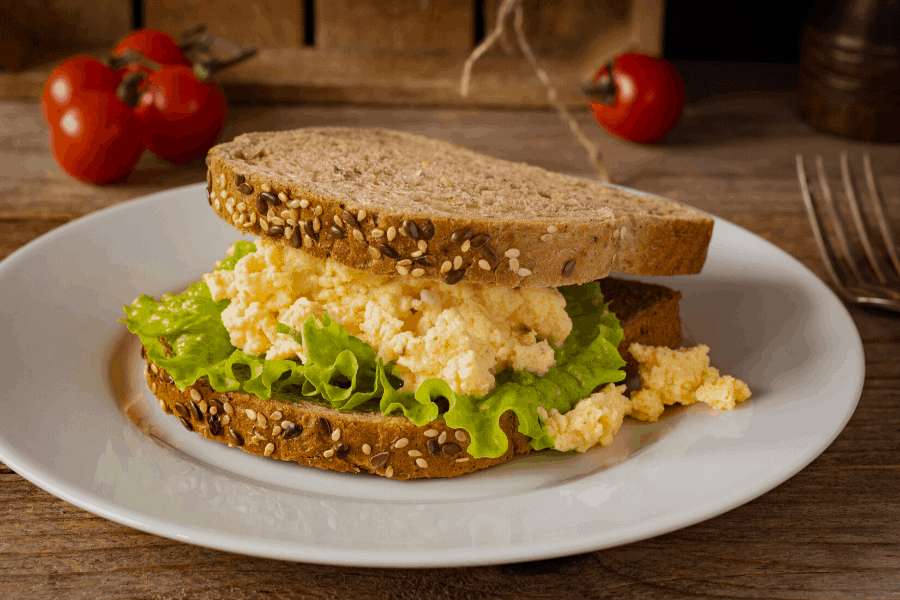
10. Egg salad sandwich
Egg salad is usually made from hard-boiled eggs and mayo, making it a very frugal meal.
I like to add mustard to mine, too.
You can eat it on a sandwich, toast, or even with crackers.
11. Hash
Potatoes are really inexpensive, and can be combined with any kind of veggies, eggs, or leftover meat to make a tasty hash.
Even frozen diced or shredded potatoes are usually cheap, and can be stretched for many meals.
12. Tuna salad (or melt)
Tuna fish is one of the least expensive proteins you can find.
Eat it on its own, or combine with mayo to make tuna salad.
You can eat it cold on a sandwich or toast for lunch, or make a tuna melt for dinner.
13. Beans and rice
Both beans and rice are frugal, easy to find, and can stretch a long way.
And together, they make a complete protein, which is perfect for vegetarians and people eating on a budget.
You can season them in a variety of ways, too.
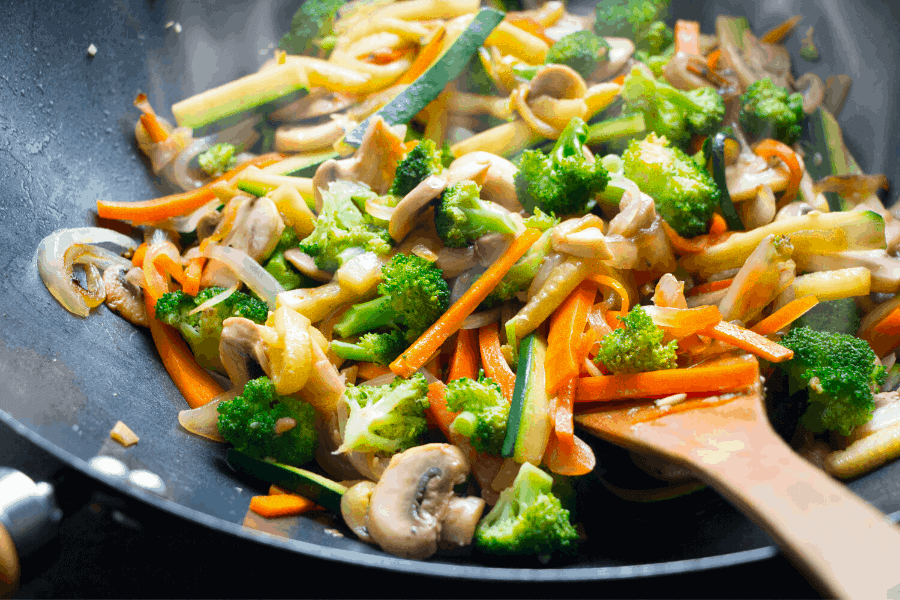
14. Veggie stir fry
If meat isn’t in your grocery budget this week, make a veggie stir fry.
You can buy an Asian medley of veggies in the freezer or canned food aisle.
Or check the refrigerated produce section for marked down packages that are nearing their expiration date.
Top cooked rice with the heated veggies and some soy sauce.
15. Pinto beans and cornbread
A Southern classic, beans and cornbread is a belly-filling meal you can really stretch.
Use dried beans for the best flavor and lowest cost.
Cornbread can be made from scratch, or pick up a package of Jiffy mix for about 50 cents.
Frugal Meals help you take back control of your monthly spending without feeling like you are missing out on good food. When you change how you shop and cook, you stop wasting money on things that do not add value to your life.
Most of the time, we spend too much because we are tired or we did not plan. Making a shift toward saving money on food is a skill that pays off for years.
It is about being smart with what you have and knowing how to turn basic ingredients into something everyone wants to eat.
You can stop the cycle of overspending by using these practical steps every day. These methods work because they focus on reducing waste and buying items when they cost the least.
- Shop your pantry first. Before you go to the store, look at what you already own. Most people have bags of pasta, cans of beans, or rice hiding in the back of the shelf. Build your plan around those items so you only buy the fresh things you need to finish a dish.
- Stick to a strict list. Going into a store without a plan is how you end up with a cart full of snacks you do not need. Write down exactly what you need for five or six days and do not look at other aisles. If it is not on the paper, it does not go in the cart.
- Use more beans and lentils. Meat is usually the most expensive part of any grocery bill. You can replace half the meat in a recipe with lentils or beans. This makes the food go further and adds a lot of health benefits for very little money.
- Buy the store brands. Most of the time, the generic version of flour, sugar, salt, or canned goods is exactly the same as the name brand. You are paying for the label and the TV ads. Switching to store brands can save you 20% on your bill immediately.
- Check the clearance shelf. Many stores have a section for items that are close to their “best before” date. This is a great place to find bread, meat, or produce for half the price. Just make sure you cook it or freeze it that same day.
- Cook in big batches. It costs less to make a giant pot of chili or soup than it does to make five different tiny meals. Spend one afternoon cooking a large amount of food and freeze the rest. This stops you from ordering takeout when you are too tired to cook.
- Avoid pre-cut vegetables. You pay a high price for the convenience of someone else cutting your onions or carrots. Buy the whole vegetable and spend ten minutes doing the work yourself. It keeps your money in your pocket.
- Learn to use spices. Cheap food does not have to be bland. A few basic spices like garlic powder, cumin, and smoked paprika can make a simple bowl of rice taste like a restaurant dish. Buy your spices in bulk or at international markets to save even more.
- Watch the unit price. Do not just look at the big number on the price tag. Look at the small print that tells you how much the item costs per ounce or gram. Often, the bigger package is cheaper, but sometimes the smaller one is actually the better deal.
- Freeze your leftovers. If you have half a jar of sauce or a small portion of dinner left, do not throw it away. Put it in a container and freeze it. These small bits add up to a free lunch later in the week.
Taking these steps makes a huge difference over a month. You will see that your kitchen becomes a place of saving rather than a place where money disappears.
It takes a little bit of effort at the start, but once you get into the rhythm, it becomes a habit that feels natural. You don’t need a lot of money to eat well; you just need to be intentional with your choices.